Phong Nha en la guerra de Vietnam: cuevas, la ruta Ho Chi Minh y las Ocho Muchachas
El equipo de Hang & Trail · May 12, 2026
Las cuevas de Phong Nha dieron refugio a cientos de personas durante los bombardeos estadounidenses. La ruta Ho Chi Minh atravesaba el parque. Esta es la historia que se siente allí.
La versión corta
Phong Nha quedó dentro de una de las provincias más bombardeadas del planeta entre 1965 y 1972. Sus cuevas se convirtieron en hospitales, polvorines y refugios para miles de personas. La ruta Ho Chi Minh atravesaba el karst justo por aquí, por la carretera 20 Quyet Thang, y el memorial de Hang Tam Co, la Cueva de las Ocho Muchachas, donde ocho jóvenes voluntarios quedaron sellados por una bomba en noviembre de 1972, es uno de los lugares de guerra más conmovedores de Vietnam. Puedes recorrer casi todo en media jornada larga, y el pueblo junto al río donde te alojas es el Km0 de toda la ruta.
Por qué bombardearon Phong Nha con tanta dureza
Phong Nha está en la provincia de Quang Binh, justo al norte del paralelo 17, la línea que separó Vietnam del Norte y del Sur después de 1954. Los suministros y las tropas que bajaban del Norte hacia los frentes del sur circulaban por la ruta Ho Chi Minh, una red enorme de carreteras, senderos, pasos de río y depósitos escondidos entre la jungla y la caliza. La carretera 20 Quyet Thang, que significa Decididos a Vencer, salía de Phong Nha hacia el oeste rumbo a Laos y unía los brazos oriental y occidental de la ruta. Cortar la carretera 20 era frenar toda la cadena de suministro, así que los estadounidenses intentaron cortarla durante años.
La magnitud de los bombardeos sobre Vietnam cuesta de asimilar. Las fuerzas estadounidenses lanzaron alrededor de 7 millones de toneladas de explosivos sobre Indochina, más de lo que se usó en toda la Segunda Guerra Mundial. Quang Binh fue una de las provincias más castigadas del país, y el legado sigue bajo tierra. Hoy consta que todas las comunas de la antigua provincia están contaminadas con munición sin explotar, y equipos de desminado como MAG llevan sacando bombas de este suelo desde 2003. Eso no es historia. Es un peligro real en cuanto te sales de un camino conocido.
La cueva de Phong Nha como hospital y almacén de guerra
La cueva que da nombre a la zona se convirtió durante la guerra en hospital de campaña y en almacén de munición y suministros, protegida por cientos de metros de caliza sobre sus salas. El río por el que hoy entras flotando es el mismo que usaban sanitarios y soldados para llevar heridos y cajas más adentro, lejos de los aviones. Las galerías iluminadas que ahora atraen a los turistas albergaron en su día pacientes, munición y comida con destino al frente.
Los estadounidenses acabaron descubriendo qué era aquella cueva. La historia que cuentan aquí es que solo lograron meter una bomba dentro de la entrada antes de rendirse, y todavía se ve dónde la explosión arrancó formaciones de la boca de la cueva. Tenlo en la cabeza cuando la barca apague el motor y se deslice hacia la oscuridad. El mismo silencio que hace bella a la cueva es el que la hizo útil.
La cueva de Phong Nha es el sitio de guerra más fácil de visitar aquí, porque de todas formas ibas a verlo. La entrada cuesta unos 5 € (150.000 ₫) más una barca compartida desde el embarcadero de Son Trach, en el pueblo. Precios verificados en junio de 2026.
La carretera 20 Quyet Thang y los jóvenes que la construyeron
La carretera 20 se abrió a golpe de pico por la montaña a una velocidad asombrosa. Las obras empezaron el 20 de diciembre de 1965 y la carretera llegó a la frontera con Laos el 5 de mayo de 1966: unos cinco meses para abrir cerca de 125 km entre karst y jungla, a mano y con maquinaria ligera. El nombre, carretera 20, viene de la edad de quienes la levantaron. La mayoría de los soldados, obreros de primera línea y Jóvenes Voluntarios tenían veintitantos años, y miles de ellos no volvieron a casa. Se calcula que los muertos a lo largo de la carretera 20 fueron miles a lo largo de la guerra.
Empiezas el viaje en esta carretera sin darte cuenta. El pueblo de Phong Nha es el Km0. El mojón está cerca de Xuan Son, el paso de barcaza que cruzaba camiones y suministros sobre el río Son cuando ya no quedaban puentes. La barcaza funcionaba a mano de día y trabajaba de noche bajo las bengalas y las bombas, y se abrió un segundo paso cerca solo para dividir la atención del enemigo. Hoy es un sitio histórico nacional reconocido, un rincón tranquilo sobre el agua que no parece gran cosa hasta que sabes lo que costó mantenerlo abierto.
Hang Tam Co, la Cueva de las Ocho Muchachas
El 14 de noviembre de 1972, un equipo de ocho Jóvenes Voluntarios del distrito de Hoang Hoa, en la provincia de Thanh Hoa, se refugiaba en una pequeña cueva del Km16 de la carretera 20 cuando el bombardeo estadounidense golpeó la ladera que tenían encima. Su trabajo era la tarea brutal e interminable de la ruta: abrir carretera en la montaña, rellenar cráteres de bomba, mantener los camiones en movimiento. El equipo lo formaban cuatro hombres y cuatro mujeres. Siete de ellos tenían entre 18 y 20 años. Una bomba desprendió una losa de roca, que aquí dicen que pesaba alrededor de mil toneladas, sobre la única boca de la cueva y los dejó sellados dentro.
Lo que pasó después es la parte que se te queda. La roca era demasiado grande para moverla y demasiado peligrosa para volarla sin matar a quien siguiera vivo detrás. Los rescatadores metieron un tubo por una rendija y vertieron agua y caldo claro, sin saber si llegaba algo. Las voces débiles del interior duraron unos nueve días y luego se apagaron. Los restos de los ocho no se recuperaron hasta 1996, veinticuatro años después, cuando por fin se abrió el lugar.
La cueva es hoy un memorial. Hay un templo, un altar, los nombres de los ocho y la propia boca de la cueva detrás del humo del incienso. La visita es gratuita y no es un decorado turístico. Los viajeros vietnamitas se paran a encender incienso y presentar sus respetos, y tú puedes hacer lo mismo. Compra un manojo en el templo si te apetece. Quédate ahí unos minutos y la abstracción de las cifras de los bombardeos se convierte en ocho jóvenes concretos que murieron despacio en la oscuridad.
Las cuevas que refugiaron a todos los demás
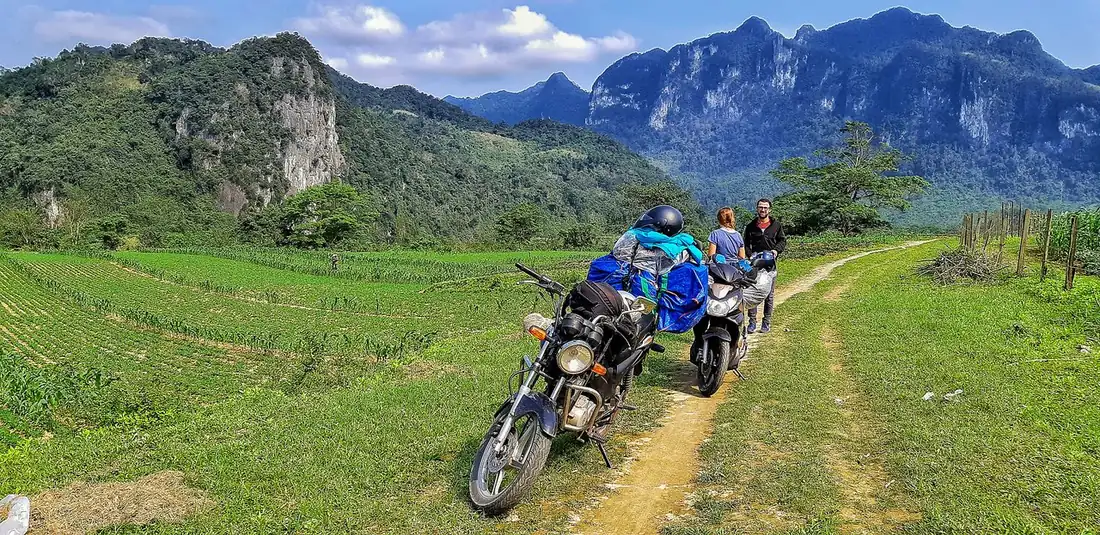
Hang Tam Co es la que todo el mundo conoce, pero el karst de aquí está lleno de cuevas que hicieron el trabajo callado de mantener viva a la gente. En el tramo que va desde la barcaza de Xuan Son hacia arriba por la carretera 20, cuevas y abrigos se convirtieron en almacenes y refugios de armas, comida y combustible. Tra Ang, al oeste del pueblo, fue la base de una estación de suministros militar. Otras cuevas de la zona sirvieron de escenario y sala de reuniones, de ambulatorio, incluso de sitio donde destilar licor de arroz para la tropa. La misma caliza que hoy atrae a espeleólogos y turistas fue, durante una década, el único techo capaz de parar una bomba. Casi todos estos sitios no están señalizados ni aparecen en ningún mapa, y por eso mismo vale la pena un guía que conozca el terreno si quieres encontrarlos.
Cómo visitar hoy los lugares de la guerra
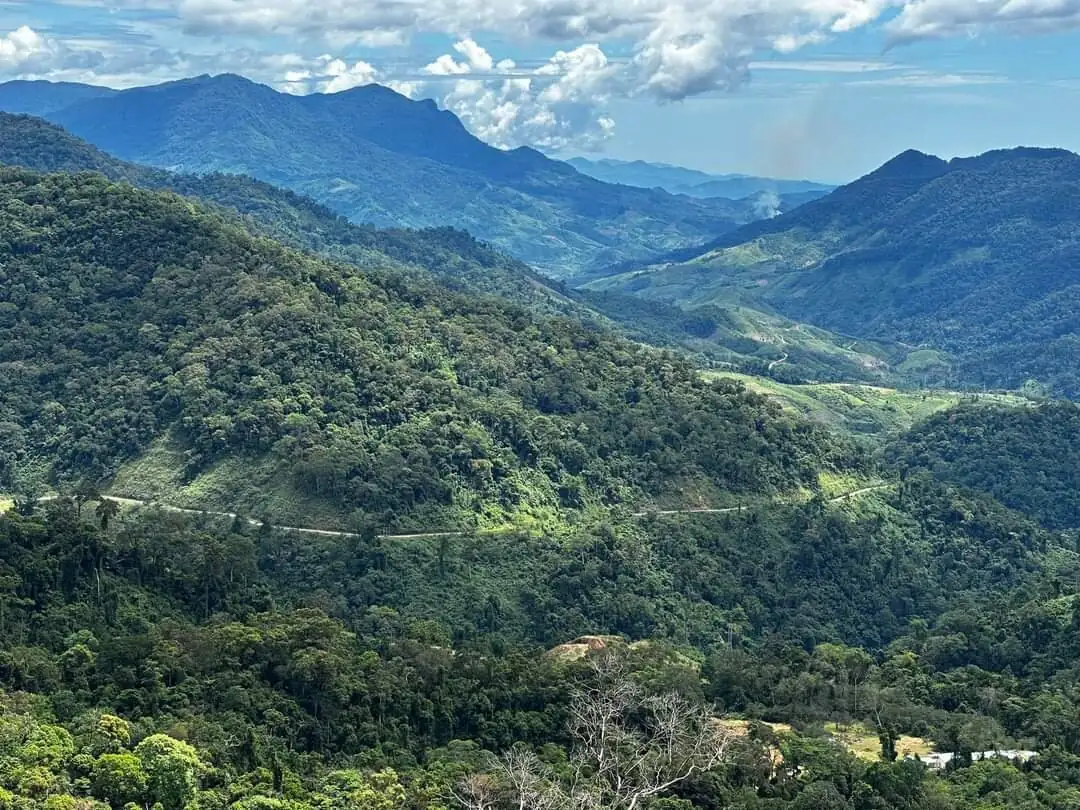
Alquila una moto o contrata un conductor y recorre el ramal occidental del circuito de la ruta Ho Chi Minh saliendo de Phong Nha. Es una carretera preciosa y casi vacía que cruza el parque nacional, y los sitios de la guerra van cosidos a ella: el mojón del Km0 y la barcaza de Xuan Son cerca del pueblo, el memorial de las Ocho Muchachas allá por el Km16, y señales al borde de la carretera y viejas posiciones por el camino. El mismo circuito pasa por el sendero ecológico del manantial de Mooc y por el Jardín Botánico, así que funciona como una jornada completa y no como una peregrinación sombría. Dedícale media jornada entera, más si te paras a leer.
Varios operadores de Phong Nha hacen versiones guiadas de esta ruta y, para la historia en concreto, el guía se gana el dinero, porque ahí fuera casi nada está señalizado en inglés y el sentido está en las historias, no en las piedras. Si prefieres conducir tú, ve despacio, echa gasolina en el pueblo y recuerda que la carretera la compartes con algún camión.
Una norma importa más que ninguna otra. No te salgas de las carreteras y los caminos marcados. La jungla de ambos lados todavía guarda munición sin explotar, décadas después, y aún hay gente herida por ella en esta provincia. La vista es la misma desde el asfalto, y el asfalto no te va a matar.
Por qué fue la paz la que puso estas cuevas en el mapa
Hay un hilo que une la guerra directamente con las cuevas que has venido a ver. La exploración internacional que acabó cartografiando la cueva de Phong Nha, luego Hang En, Hang Va y por fin Son Doong, solo arrancó cuando la guerra terminó y el país se abrió. La British Cave Research Association hizo aquí su primera prospección en 1990 con Howard Limbert, volvió en 1992 para cartografiar bien la cueva de Phong Nha y siguió regresando, con Son Doong medida en 2009. Nada de eso ocurre mientras caen las bombas y el karst es una línea de frente. Las cuevas que hicieron famoso este lugar siguieron ocultas hasta que dejaron de disparar, un giro extraño y muy apropiado para esta historia.
Preguntas frecuentes
¿Se puede entrar de verdad en la Cueva de las Ocho Muchachas (Hang Tam Co)?
No, y ese es justo el sentido del lugar. La boca de la cueva está sellada detrás del memorial y del incienso, con los nombres de los ocho en el altar delante. Es un lugar de duelo, no una cueva turística en la que se entra. Los viajeros vietnamitas se paran a encender incienso y presentar sus respetos, y tú puedes hacer lo mismo. Compra un manojo en el templo si te apetece. La visita es gratuita y queda en el Km16 de la carretera 20, así que la mayoría la encaja en el circuito en moto de la ruta Ho Chi Minh que sale del pueblo.
¿Es seguro salirse de la carretera por los lugares de la guerra, con la munición sin explotar que hay?
No te salgas de las carreteras y los caminos marcados, y punto. Consta que todas las comunas de la antigua provincia de Quang Binh están contaminadas con munición sin explotar, los equipos de desminado llevan sacando bombas de este suelo desde 2003 y aún hay gente herida por ella en esta provincia. La vista desde el asfalto es la misma, y el asfalto no te va a matar. Las cuevas refugio sin señalizar de la carretera 20 existen, pero llegar a ellas con seguridad es exactamente el motivo por el que importa un guía que conozca el terreno.
¿Cuánto se tarda en recorrer los lugares de la guerra y puedo hacerlo por mi cuenta?
Dedícale media jornada entera, más si te paras a leer. El circuito occidental de la ruta Ho Chi Minh cose los sitios entre sí: el mojón del Km0 y la barcaza de Xuan Son cerca del pueblo, el memorial de las Ocho Muchachas en el Km16 y señales al borde de la carretera por el camino, más el manantial de Mooc y el Jardín Botánico, para que funcione como una jornada completa. Puedes hacerlo tú en una moto de alquiler si echas gasolina en el pueblo y vas despacio, pero casi nada está señalizado en inglés y, para la historia, el guía se gana el dinero porque el sentido está en las historias, no en las piedras.
¿Quieres convertir esto en un plan de verdad? Planifica mi viaje →
Sigue leyendo
- GuíaHang Tam Co: la historia completa de la Cueva de las Ocho Muchachas →
- GuíaRecorrer el circuito de la ruta Ho Chi Minh desde Phong Nha →
- CuevaCueva de Tra Ang, una base de suministros de guerra que aún puedes visitar →
- PlanMoverse por Phong Nha: motos, conductores y la ruta →
- GuíaPhong Nha-Ke Bang y Hin Nam No inscritos juntos por la UNESCO →