Сухой сезон или сезон дождей в Фонгня: что реально открыто
Команда Hang & Trail · May 6, 2026
Сезоны в Фонгня значат больше, чем где-либо ещё во Вьетнаме. Часть пещер закрывается в паводок. Вот честная картина по месяцам.
Коротко: когда ехать в Фонгня
С февраля по апрель, лучшее время для поездки в Фонгня. Сухо, тепло без изнуряющей жары, и открыты все пещеры, включая речные и экспедиционные маршруты. Если эти месяцы не подходят, январь и май почти так же хороши. С июня по август для пещер нормально, но снаружи по-настоящему жарко, к полудню часто выше 35 °C. Отрезок, вокруг которого нужно планировать, это сентябрь до ноября, сезон наводнений, когда речные пещеры закрываются, крупные приключенческие туры останавливаются, а дороги могут уходить под воду на несколько дней.
В Фонгня два сезона значат больше, чем почти где-либо ещё во Вьетнаме, потому что очень многое из того, ради чего вы приехали, работает на воде. Угадайте со временем, и вы успеете всё. Ошибитесь, и вы приедете в Шончать, а пещера Фонгня закрыта, и дождь не прекращается. Ниже честная картина по месяцам, что и когда закрывается и как спасти поездку, попавшую не в то окно.
Сухой сезон против сезона дождей, прямо
Сухой сезон длится примерно с февраля по август. Внутри него февраль до апреля, это оптимум: ясное небо, дневные температуры от чуть выше 20 до почти 30 °C и самый низкий за год риск наводнений. С мая по август остаётся сухо, но жара нарастает быстро: сухой лаосский ветер поднимает дневную температуру выше 35 °C, а иногда почти до 40 °C. Внутри пещер держится около 20 °C, что бы ни творилось снаружи, так что жара, это по сути наземная проблема.
Сезон дождей идёт с сентября по ноябрь, и это не лёгкая морось. Центральный Вьетнам принимает худшую часть муссона и время от времени тайфуны, приходящие с Южно-Китайского моря. Октябрь, самый влажный месяц года, часто заметно больше 600 мм осадков, и именно тогда реки вздуваются настолько, что затапливают входы в пещеры. Декабрь и январь, это межсезонье: дождь ослабевает, становится прохладно, и место тихо возвращается к жизни при куда меньшем числе людей вокруг.
Что на самом деле закрывается при наводнениях
Эту часть пропускает большинство погодных гидов. Закрывается не всё и не на весь сезон. Закрываются речные пещеры, потому что их входы находятся на уровне воды. Пещера Фонгня, куда вы попадаете на драконьей лодке по подземной реке, закрывается, когда поднимается река Шон. Тёмная пещера на реке Тяй закрывается так же, и сезон у неё самый короткий из всех, примерно с марта по сентябрь. Когда реки поднимаются, лодочники и концессия Тёмной пещеры просто перестают продавать билеты, пока вода не спадёт.
Хорошая новость в том, что наводнения приходят и уходят, а не стоят весь сезон. Вода может держаться высоко несколько часов после ливня или до недели после серьёзного шторма, а потом сойти, и пещеры снова открываются. Так что даже в октябре вам может достаться ясное трёхдневное окно. Просто забронировать его заранее нельзя, и в этом настоящая проблема для тех, у кого жёсткий маршрут.
Райская пещера, это исключение, которое спасает множество поездок в мокрый сезон. Это сухая пещера высоко в известняке, куда попадают по деревянному настилу и лестницам, а не на лодке, поэтому она остаётся открытой почти при любом наводнении. Если вы приедете в октябре или ноябре, Райская пещера очень часто окажется единственной, на которую можно рассчитывать. Стоит она около 11 $ (270 000 ₫), проходится самостоятельно и по-настоящему стоит поездки сама по себе. Цены проверены в июне 2026.
Когда работают экспедиционные пещеры
У больших многодневных приключенческих пещер жёсткий сезон, и задан он безопасностью, а не предпочтениями. Шондонг, Ханг Пигми, Ханг Ва, Тигриная пещера, Kong Collapse и система Хунг Тхоонг работают с января по август, а затем закрываются на муссон, пока уровень рек внутри пещер опасен, а экосистемы восстанавливаются. Шондонг стоит около 3 000 $ за четырёхдневную экспедицию с Oxalis, единственным лицензированным оператором, и он распродан на текущий и следующий сезон, когда бы вы ни спросили. Ханг Пигми, которую водит Jungle Boss, это четвёртая по величине пещера мира и разумная альтернатива, которую обычно ещё можно забронировать, около 310 $ (7 900 000 ₫) за маршрут с ночёвкой. Цены проверены в июне 2026.
У Ханг Эн сезон чуть шире, с декабря по середину сентября, и именно о прохладных месяцах говорят с восторгом: в ясные дни с декабря по февраль солнечные лучи льются через вход и подсвечивают лагерь на пещерном пляже. Двухдневный маршрут с Oxalis стоит около 333 $ (8 800 000 ₫). Цены проверены в июне 2026. Если вы твёрдо нацелились на ночёвку в пещере, приезжать нужно в сухое окно, потому что с приходом муссона все эти туры останавливаются до нового года.
Фонгня по месяцам
Январь: прохладно и в основном сухо, от 15 до 22 °C, людей мало. Открывается экспедиционный сезон, а солнечные лучи в Ханг Эн в лучшей форме. Возьмите тёплый слой на вечер.
Февраль: один из лучших месяцев. Прохладно, сухо, приятно, от 17 до 24 °C. Открыто всё, а толпы пока терпимые.
Март: оптимум. Сухо, тепло, но не изнуряюще, от 20 до 28 °C, открыты все пещеры, включая Тёмную, у которой начинается сезон.
Апрель: отлично и чуть оживлённее, от 22 до 31 °C. Пещеры и жильё бронируйте немного заранее, особенно вокруг праздников в конце апреля.
Май: жарко и сухо, от 25 до 35 °C, включается лаосский ветер. Прекрасно для водных пещер, менее приятно стоять на солнце.
Июнь: очень жарко, от 26 до 37 °C. Внутри пещер прохладно, но полдень снаружи беспощаден. Хороший месяц для пещер с проплывом насквозь.
Июль: самый загруженный месяц из-за внутреннего вьетнамского туризма, и жаркий. Бронируйте всё заранее.
Август: по-прежнему жарко, от 25 до 35 °C, и это последний полный месяц для пещер шондонгского окна. В конце месяца возможны первые дожди.
Сентябрь: перелом. Первые серьёзные дожди, реки поднимаются, экспедиционные пещеры закрываются, а речные переходят в ограниченный режим. Будьте гибкими.
Октябрь: худший месяц. Сильные дожди и наводнения закрывают мокрые пещеры и могут отрезать дороги. Избегайте, если только вы не настроены решительно и не готовы подстраиваться.
Ноябрь: всё ещё сезон наводнений, от 20 до 27 °C, и часть жилья закрывается до следующего года. Райская пещера может оказаться вашей единственной.
Декабрь: дождь ослабевает и всё просыхает, от 18 до 24 °C. Ханг Эн открывается в середине месяца, прохладно и тихо, и месяц сильно недооценён.
Честно о лучшем времени для поездки
Если нужен один ответ, приезжайте в марте. Вы получите сухие тропы, все открытые пещеры, дневное тепло, которое подходит и пещерам, и долине, и толпы, ещё не дошедшие до летнего пика. Февраль и апрель почти идентичны с поправкой на пару градусов и чуть большее число людей в апреле.
Если для вас важнее самая дешёвая и тихая версия Фонгня и вы не против прохладных утр, приезжайте в январе или декабре. В январе работают экспедиционные пещеры, в Ханг Эн светят солнечные лучи, цены на жильё мягче, а пещеры вы разделите с гораздо меньшим числом людей. Декабрь из этих двух, риск: самое начало месяца ещё может поймать позднее наводнение, но к середине декабря обычно устаканивается.
Если вы можете путешествовать только летом, с июня по август тоже работает. Внутри пещер прохладно, водные пещеры спасают от жары, и открыто всё, кроме самого хвоста шондонгского окна. Просто планируйте наземное время на раннее утро и поздний день и пейте больше воды, чем кажется нужным.
Если ваши даты попадают в сезон наводнений
Не ставьте на поездке крест, но идите с реалистичными ожиданиями и гибким планом. Райская пещера обычно остаётся открытой всё наводнение, и сухопутные варианты тоже держатся: долина Бонглай с фермерскими барами, Ботанический сад, утиная ферма и кафе у реки в Шончати доступны между ливнями. Закладывайте люфт в маршрут, будьте готовы потерять день-другой на дождь и не берите невозвратный транспорт с тесными стыковками.
Практичный ход, это спросить до того, как вы вложили деньги. Ваш гестхаус или хоумстей утром будет знать, ходят ли лодки и открылась ли Тёмная пещера, потому что в сезон за рекой следят каждый день. Множество путешественников отлично проводят октябрь, когда воспринимают речные пещеры как бонус, а не как план, и опираются на Райскую пещеру, долину и еду.
Единственное окно, которого действительно стоит избегать при наличии выбора, это середина октября до середины ноября сразу после именованного шторма, когда дороги заливает, свет может пропасть, а часть жилья просто закрывается до конца сезона. Если это ваши единственные возможные даты, пещеры центрального Вьетнама, возможно, не та поездка, которую стоит продавливать, и что-то более сухое на юге будет разумнее.
Каким на самом деле бывает дождь
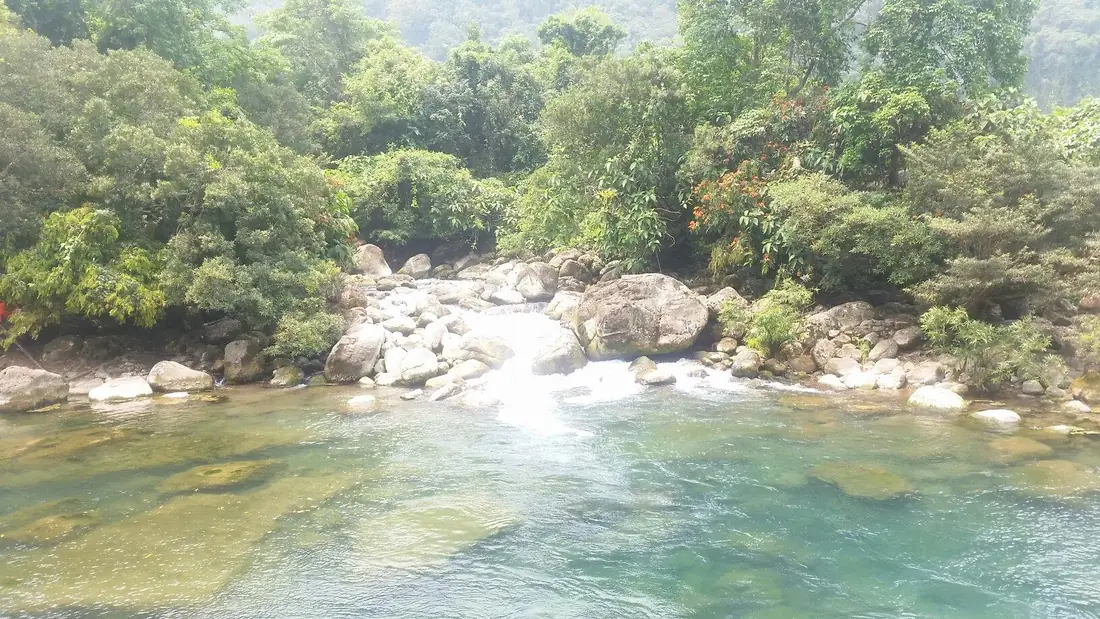
Когда здесь идёт сезонный дождь, это тропический ливень, а не серое небо на весь день, которое вы можете себе представлять. Льёт сильно несколько часов, часто проясняется, потом возвращается. Дороги могут быть по щиколотку в воде в один час и сухими в следующий. Местная инфраструктура к этому приспособлена, и жизнь продолжается, но ворота пещер закрывают с запасом осторожности, потому что речная пещера с прибывающей водой, это настоящая опасность, а не неудобство.
Так что если вы едете где-то рядом с межсезоньем, соберитесь соответственно. Лёгкая дождевая куртка, гермомешки для электроники и обувь, которую не жалко промочить, закроют вопрос. И держите планы свободными: те, кому Фонгня нравится в дождь, воспринимают затопленное утро как долгий завтрак и переставленный день, а не как испорченные сутки.
Частые вопросы
Какой единственный лучший месяц для поездки в Фонгня?
Март. Сухо, дневные температуры держатся около 20 до 28 °C, открыты все пещеры, включая Тёмную, у которой начинается сезон, а толпы ещё не дошли до летнего пика. Февраль и апрель почти идентичны с поправкой на пару градусов и чуть большее число людей в апреле. Если вам нужна самая дешёвая и тихая версия, январь или декабрь меняют прохладные утра на мягкие цены на жильё и почти пустые пещеры.
Когда в Фонгня сезон наводнений и насколько всё плохо?
С сентября по ноябрь, причём октябрь, самый влажный месяц, часто заметно больше 600 мм осадков. Это муссонные и порой тайфунные дожди с Южно-Китайского моря, а не лёгкая морось. Наводнение приходит и уходит, а не стоит всё время, так что даже в октябре можно поймать ясное трёхдневное окно, просто забронировать его заранее нельзя. Единственный отрезок, которого действительно стоит избегать, это середина октября до середины ноября сразу после именованного шторма, когда дороги заливает, а часть жилья закрывается до конца сезона.
Какие пещеры закрываются в сезон дождей, а какие работают?
Закрываются речные пещеры, потому что их входы на уровне воды: пещера Фонгня (куда добираются на драконьей лодке) и Тёмная пещера на реке Тяй перестают продавать билеты при подъёме воды. Экспедиционные пещеры вроде Шондонга, Ханг Пигми, Ханг Ва, Тигриной и системы Хунг Тхоонг закрываются на муссон полностью и работают примерно с января по август. Райская пещера, надёжное исключение: это сухая пещера с деревянным настилом и лестницами, поэтому она открыта почти при любом наводнении и часто оказывается единственной, на которую можно рассчитывать в октябре или ноябре.
Хотите превратить это в настоящий план? Спланировать поездку →
Продолжить чтение
- ПланЛучшее время для поездки в Фонгня →
- ПещераХанг Пигми: экспедиционная пещера, доступная для брони →
- ПещераРайская пещера →
- ГайдСколько дней нужно в Фонгня? →
- ГайдФонгня из России: когда лучше ехать →
- ПланКакие пещеры открыты в месяц вашей поездки →
- ПланСтраховка, покрывающая спелеотуры и задержки из-за штормов →